




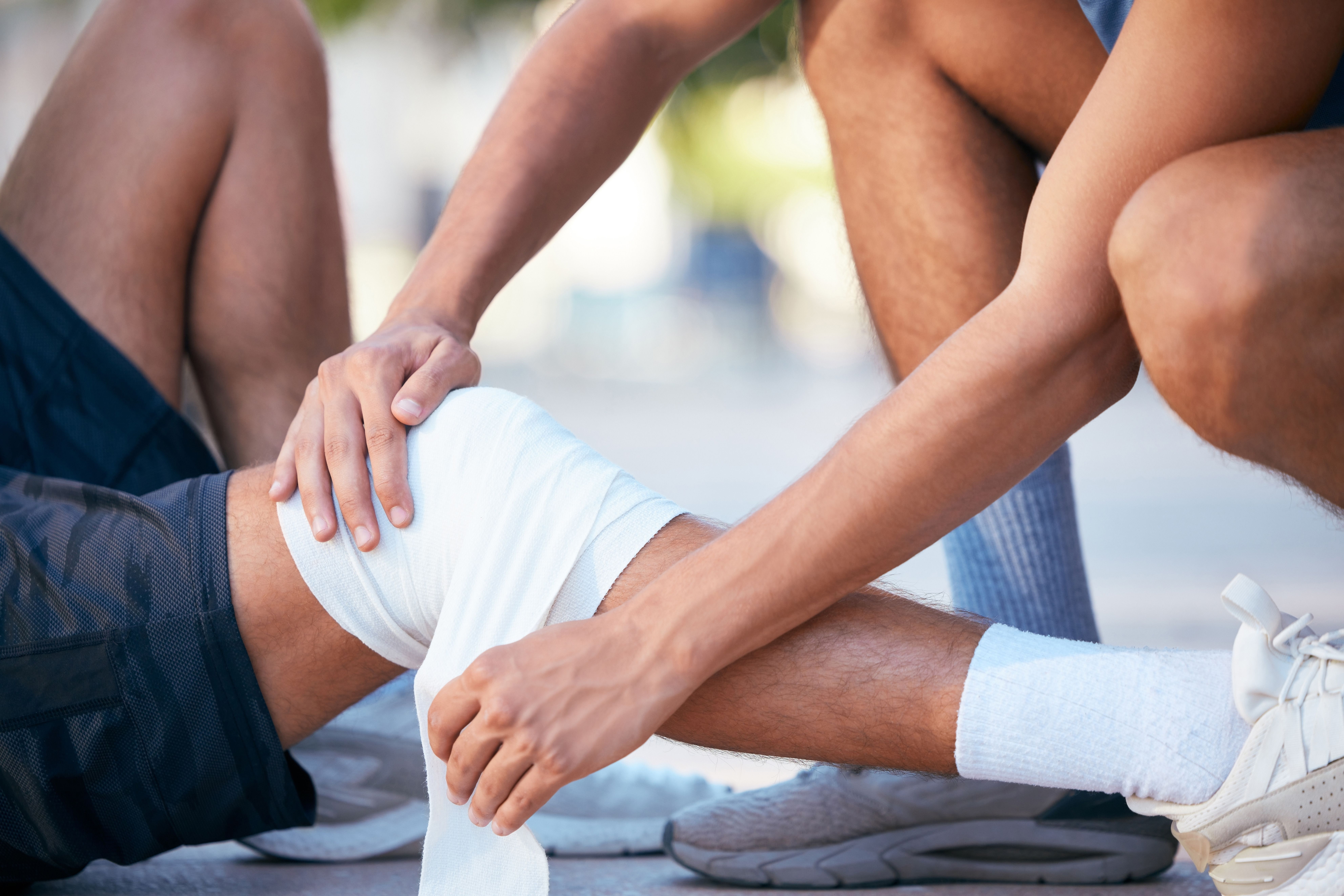
More Than Muscle: The Hidden Mental Toll of Athletic Injuries. Because healing isn’t just physical—it’s emotional, mental, and deeply personal. Athletes are conditioned to push through pain. You tape it, ice it, rehab it, and show up anyway. But when an injury takes you out—especially when it’s serious or long-term—the hardest part often isn’t what happens to your body. It’s what happens to your mind. At the Nebraska Greats Foundation (NGF), we see this story play out again and again: the injury happens, the routine disappears, the identity feels shaken, and suddenly the athlete who once felt unstoppable is left trying to figure out how to cope—physically, financially, and emotionally. NGF exists for that moment. Because injuries don’t end when the season ends.
The Part Nobody Talks About: The Emotional Aftershock of Injury
1. The Loss of Identity (“If I’m not playing…who am I?”)
For many athletes, sport isn’t just something they do—it becomes who they are. So when an injury. takes away training, competition, and the structure of the team environment, it can trigger a deep identity disruption.
Common thoughts athletes report:
• “I feel like I’m letting everyone down.”
• “My body betrayed me.”
• “I’m falling behind—what if I never get back?”
• “I don’t feel like myself anymore.”
That identity loss can quickly turn into anxiety, depression, or emotional numbness—especially when the injury changes someone’s future.
2. Anxiety About Recovery (“What if I never come back the same?”)
Recovery is rarely linear. Rehab is repetitive, slow, and full of uncertainty. Athletes may feel stuck in their own bodies, wondering whether they’ll ever return to form—or whether they’ll ever feel normal again.
Anxiety often shows up as:
• Fear of reinjury
• Hyper-fixation on pain sensations• Difficulty sleeping
• Irritability or emotional shutdown
• Feeling “behind” in life
When you’re used to controlling outcomes through discipline and effort, the uncertainty of recovery can be mentally exhausting.
3. Depression and Isolation (“No one understands what I’m going through.”)
Injuries can become isolating fast. When you’re injured, you’re no longer in the same rhythm as your teammates. You may not travel, you may not dress, and you may feel forgotten.
Add financial strain and long-term pain to the emotional load, and it’s easy to see why depression becomes a real risk.
The Nebraska Reality: Injuries Don’t Always End with College
Many sports-related injuries linger for life. When athletes leave school, they often lose access to athletic trainers, rehab, and comprehensive medical coverage. The injury may still be there—but the support system isn’t.
Why Injuries Hit Athletes So Hard (And Why Pride Makes It Worse)
Athletes are often praised for toughness. Playing through pain becomes a badge of honor. But that mindset can backfire after injury—because many athletes feel ashamed to need help.
They think:
• “Other people have it worse.”
• “I should be able to handle this.”
• “I don’t want anyone to see me struggling.”
• “I don’t want to be a burden.”
Healing Requires a Whole-Person Comeback Plan
Recovery is not just about rehabbing a joint—it’s about rebuilding the whole person.
1) Physical Recovery
2) Mental Recovery
3) Emotional & Community Support
You Are Not Alone and You Don’t Have to Push Through This Alone
If you’re struggling with the physical and emotional weight of injury, you’re not alone and support exists.
If you or someone you know is recovering from an injury, reach out help is available. Click here to apply or refer an athlete : https://nebraskagreatsfoundation.org/get-help/apply.html
