



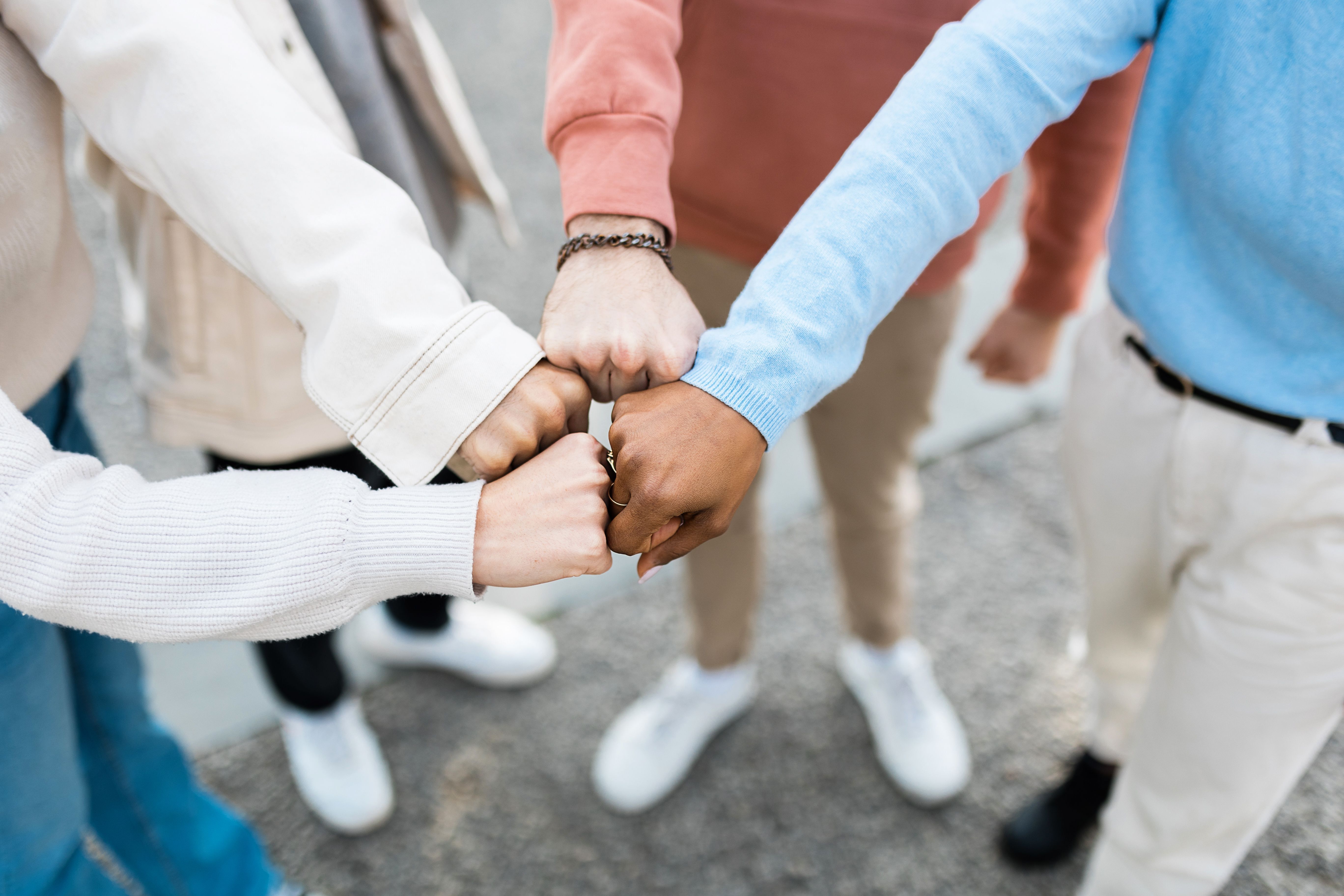
The best comebacks aren’t solo — they’re supported.
When Recovery Feels Lonely, Community Changes Everything
Whether it starts with a sudden injury, a long-term medical condition, or the emotional crash after stepping away from competition, recovery can be one of the most isolating experiences an athlete ever faces.
On the outside, it may look like rest, rehab, and “getting back in shape.” But inside, recovery often comes with fear, frustration, grief, and questions that don’t always have clear answers:
“What if I never get back to who I was?”
“Why does this feel so much harder than people realize?”
“Why do I feel ashamed for struggling?”
This is where peer support becomes powerful, not as a motivational slogan, but as a proven, deeply human form of healing. For athletes, support from teammates and fellow alumni who truly understand the journey can be the difference between surviving recovery and growing through it.
Why Peer Support Works: It’s Not Just Emotional — It’s Biological
Peer support is more than encouragement. It’s a buffer against isolation, stress, and hopelessness. When someone who has “been there” says, “I get it,” your nervous system can finally exhale. For athletes, this kind of support helps in three key ways:
1) It reduces isolationMany athletes feel alone because injury removes them from the team environment and routine. Peer support restores connection, reminding athletes they’re not forgotten and not alone.
2) It normalizes the mental side of recovery Athletes often feel pressure to appear strong. But fellow athletes understand that healing isn’t only physical. Hearing someone say, “I struggled too,” reduces stigma and helps athletes ask for help sooner.
3) It creates accountability and hope Recovery takes time. It can be repetitive and emotionally draining. Peers help keep you moving forward, not by forcing positivity, but by helping you stay consistent and reminding you that progress is possible.
The Athlete-to-Athlete Advantage
There’s something uniquely effective about athlete-to-athlete support. Why?
They understand the discipline and identity of sport.
They know the pride and pressure that makes asking for help hard.
They speak the same language, physically and emotionally.
They understand the grief of losing a season, a role, or a dream.
Support from friends and family is invaluable, but peer support adds a layer of understanding
that can’t always be taught. It’s lived.
Recovery Isn’t Only About Returning. It’s About Rebuilding.
When athletes think of recovery, they often focus on getting back “in the game.” But real recovery is bigger than a return to play.
It’s rebuilding:
Confidence after setback
Identity when sport changes or ends
Mental health through fear, grief, and uncertainty
Physical stability when medical needs continue
Peer support doesn’t just help athletes heal — it helps them redefine success in their next chapter.
How the Nebraska Greats Foundation Builds Community Through SupportThe Nebraska Greats Foundation (NGF) is built on a simple but powerful truth former athletes understand former athletes.
NGF supports eligible Nebraska collegiate letter-winners through medical and emergency assistance, but just as importantly, NGF represents something many athletes miss after sport:
a network
a shared identity
a community that understands
When athletes connect through shared experience, something shifts. Pride softens. Shame decreases. And recovery becomes more manageable — because the athlete is no longer carrying it alone.
Signs You Might Benefit from Peer Support
If any of these feel familiar, peer support could be a meaningful next step:
You feel isolated, withdrawn, or “not yourself.”
You’re recovering from injury, surgery, or chronic pain.
You’re struggling with motivation, sleep, or mood during rehab.
You miss the team environment and don’t know where you fit now.
You feel pressure to “be fine” when you’re not.
Needing support isn’t failure. It’s a normal response to a hard season.
How to Start: Small Steps, Big Change
Peer support doesn’t have to start with a big conversation. It can begin with something simple:
Send a message to a teammate you trust.
Show up to a local alumni gathering or event.
Ask for a connection to someone who’s been through recovery.
Reach out to a community built for athletes.
When you take the first step, you give others permission to do the same.
Join a network of Greats who understand your journey
If you’re a current or former Nebraska collegiate athlete navigating recovery, physically, mentally, or both, you don’t have to do it alone. A stronger comeback starts with support.
Learn more and connect with the Nebraska Greats Foundation: https://www.negreats.org
